Start with the audience
Give the project a clear job. Are you introducing a product, showing what an experience feels like or helping people recognise the team behind a brand? Name the audience and the one thing you want them to understand. A sentence with a specific purpose is more useful than a list of broad adjectives.
You do not need a finished concept. A rough idea, a few references and an explanation of why you like them are enough to start discussing the direction.
List the placements
Write down where the work will appear: a website, organic social channels, paid advertising, print or a combination. Include known dimensions, orientations and durations. If a website header needs room for a headline, mention it before the photograph is taken.
Separate essential pieces from useful extras. A main film, portrait edits, stills and graphics each ask for capture or editing time. Priorities help keep the scope coherent when the location or schedule is limited.
Share the practical details
Include who or what needs to be photographed, the location, access arrangements and any fixed dates. Note the availability of people, products and spaces, plus who will organise them. Outdoor work also needs a conversation about light and weather.
Give both the shoot window and the publication deadline. Include time for your team to review the work, and identify the person who can consolidate feedback. A budget range helps shape the discussion about what the project can include.
Make the reference useful
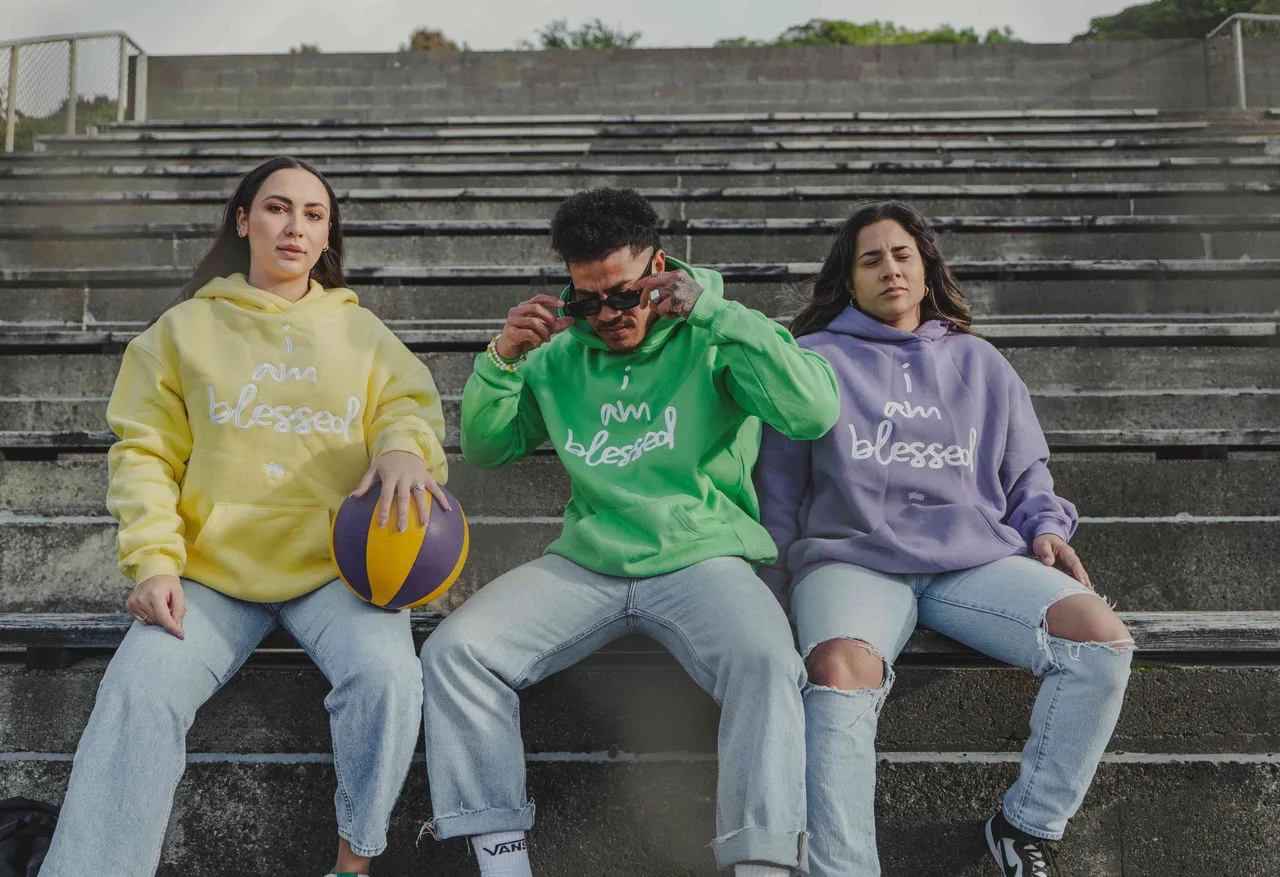
Choose examples for a reason: the natural portraits, the detail of a product, the pace of an edit or the feel of a location. My ASAV project combines photography and video around a clothing launch. Suzuki moves between landscape and vehicle details. Those are different approaches to a different brief.
Include the intended usage and any third parties who need the assets. If editable files, captions, alternate crops or specific handover formats matter, raise them at the briefing stage so they can be agreed.
Your brief, in one paragraph
A starting outline could read: We are launching [product or service] for [audience]. We need [essential pieces] for [channels and placements], photographed at [location]. Our shoot window is [dates], the launch is [date], and the budget range is [range]. We like [reference] because [reason]. The intended usage is [scope], and [person] will approve the work.
Fill in what you know and leave the rest open for discussion. The content brief builder below helps you put those decisions together without needing a polished production document.